
Decode Classic VINs to Get Vehicle History Report and Build Sheet
Recommended Classic VIN Lookup Tools
Classic Car Buying Guide: What to Check Before You Buy
Apr 01, 2026
Buying a classic car means checking more than the paint, mileage, and asking price. Before you buy, verify the VIN, review the title, check the vehicle history, inspect for rust or hidden damage, and compare the car’s value against similar models. A good-looking classic can still hide expensive problems, so it pays to slow down before making an offer.
Start with the basics. Use a classic car VIN lookup to confirm the year, make, model, body style, and other key details before you move deeper into the deal.
Key Takeaways:
 Check the VIN, title, history, value, and condition before making an offer.
- Original parts, matching numbers, and good paperwork can affect a classic car’s value.
- Never skip the inspection or test drive just because the car looks great in photos.
What is Considered a Classic Car?
Most people call a car “classic” once it’s around 20 to 25 years old, but age is only part of the story. Some older cars are just used cars. A true classic usually has something more: style, rarity, cultural value, collector demand, or a loyal fan base.
Think about cars like a 1965 Ford Mustang, Chevrolet Chevelle SS, Pontiac GTO, Porsche 911, or Datsun 240Z. They’re not just old machines. They represent an era. The sound, the shape, the chrome, the gauges, even the smell of the interior — all of it matters.
Different groups may define classics in different ways. Insurance companies, DMVs, and car clubs often have their own rules. For a fuller explanation, you can read this guide on how old a car has to be to be considered a classic.
Why Buy a Classic Car?
People buy classic cars for different reasons. Some want a weekend cruiser. Some want a project. Some want a car they can flip. Others want something they can keep for years and pass down later.
Classic Cars Feel Different
Modern cars are smoother, safer, and easier to live with. No argument there. But classic cars have a more mechanical feel. You hear the engine. You feel the steering. You notice every shift, rattle, and little quirk.
That’s part of the charm.
Some Classics Can Hold Value
Not every classic car is a smart investment. Some will cost more to restore than they will ever be worth. Still, rare, original, well-documented cars can hold value well, especially if demand stays strong.
Condition, mileage, factory options, engine type, color, and documentation all matter.
The Community Is Part of the Fun
Classic cars bring people together. Shows, cruise nights, clubs, swap meets, online forums, there’s always someone who wants to talk about paint codes, carburetors, trim tags, or “the one my uncle used to own.”
For many owners, that community becomes part of the ownership experience.
READ ALSO: Best Classic Car Daily Driver
How to Buy a Classic Car Without Regret
Buying a classic car is not only about finding one you like. It’s about proving that the car is worth the money.
Know What You Want First
Before shopping, decide what kind of classic fits your goal.
Are you looking for a weekend driver, show car, restoration project, daily driver, collector piece, or resale opportunity? Each goal changes what you should buy.
A rough project might be perfect for someone with tools, space, and patience. But for a buyer who just wants to drive on Sundays, the same car may become a headache.
Set a Real Budget
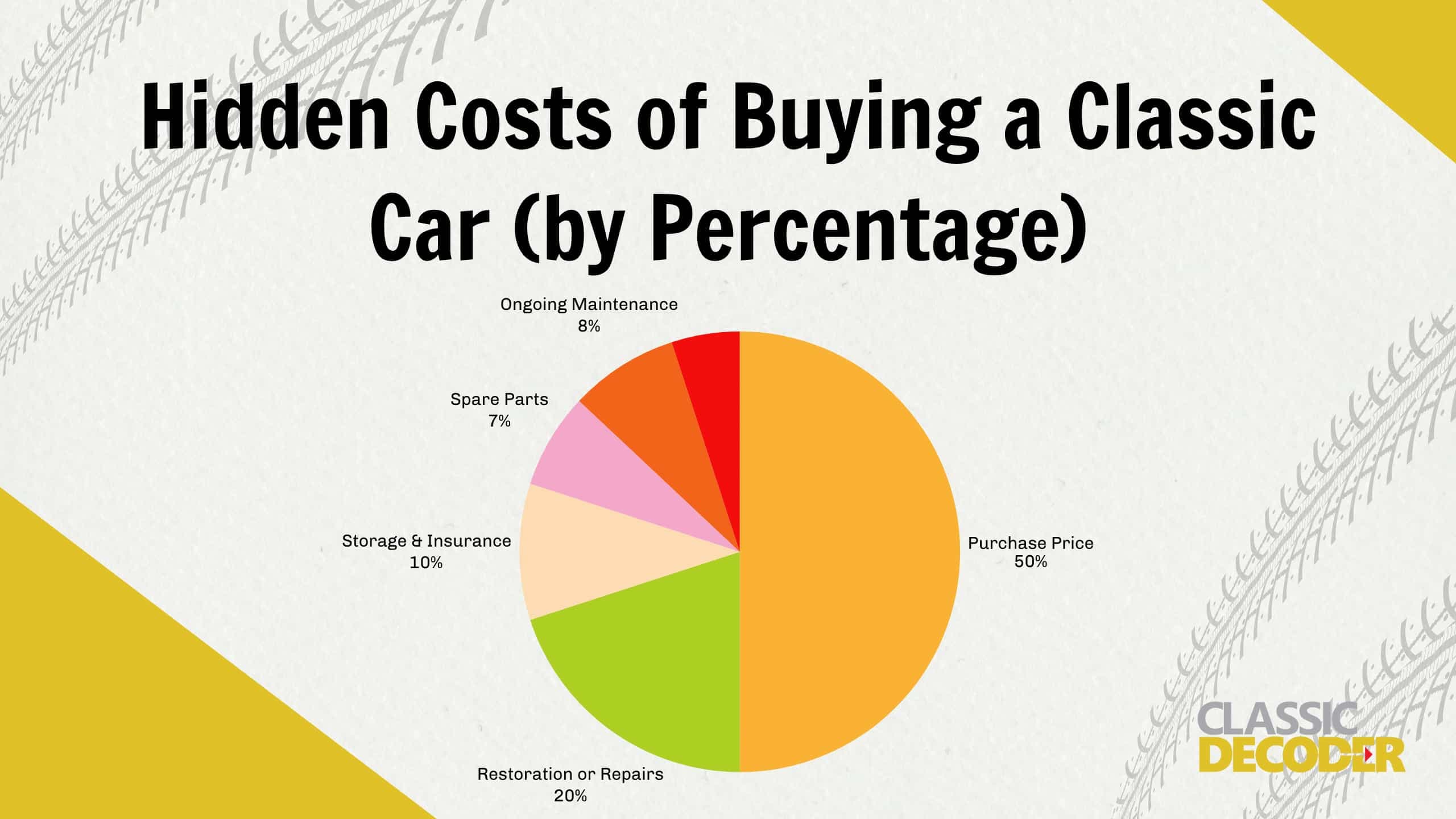
The purchase price is only the first cost. You also need to plan for shipping, taxes, registration, insurance, storage, repairs, parts, and inspection fees.
A $12,000 classic can become a $20,000 car after brakes, tires, wiring, bodywork, and transport. That does not mean you should avoid it. It just means you need to know what you are getting into.
Research the Car’s Value
Classic car prices can swing a lot. Year, model, trim, engine, mileage, originality, condition, and paperwork all affect value.
Two Mustangs from the same year may look similar, but one may have a more desirable engine, factory options, or original documentation. That can change the price in a big way.
If value is a major part of your decision, read this guide on classic car values by VIN number before negotiating.
Check the VIN Before You Get Too Attached
This is where many buyers rush. Don’t.
Classic cars, especially pre-1981 vehicles, may not use the modern 17-digit VIN format. Some have shorter VINs. Others also rely on trim tags, body plates, engine stamps, or factory records to confirm the car’s identity.
Match the VIN to the Title
The VIN on the vehicle should match the title. If it does not, pause and ask questions. Sometimes it is a paperwork error. Other times, it can point to a bigger problem.
Inspect the VIN Plate
Look at the VIN plate closely. Fresh rivets, scratches, strange placement, or signs of tampering should make you careful.
Decode the VIN Format
Older VIN formats can vary by make, year, and manufacturer.
What Should You Check in the Vehicle History?
A classic car’s past can affect its value, safety, and paperwork. Some problems are easy to see. Others only show up when you check records.
Title History
Check whether the vehicle has a clean, salvage, rebuilt, flood, or branded title. A title issue can affect insurance, registration, resale value, and buyer confidence.
Accident and Damage Records
A seller may not always know the full story. Old damage, poor repairs, or auction photos can reveal a car’s past condition.
Mileage and Ownership Records
Mileage can be tricky on older cars. Odometers may roll over, stop working, or be replaced. Look for mileage records, service documents, and signs that match the car’s actual wear.
Verify Originality and Build Sheet
Originality can change a classic car’s value. A car with the correct engine, trim, paint color, transmission, and factory options may be worth more than one with unknown or swapped parts.
Modified cars can still be great. Restomods and custom builds have their place. But the price should match what the car really is.
Ask for Original Documents
Good paperwork may include a build sheet, window sticker, factory invoice, owner history, maintenance records, restoration receipts, or appraisal documents.
Check Matching Numbers
If the seller claims the car is numbers-matching, verify it. Matching numbers usually means the engine, transmission, or other major parts match the car’s original factory records.
Know the Difference Between Restored and Original
A restored car may look cleaner, but a true survivor can be more desirable to some collectors. Original paint, factory interior, and untouched details can carry serious value.
What to Inspect Before Buying a Classic Car
Photos help, but they do not tell the full story. A car can look beautiful online and still have soft floors, tired brakes, bad wiring, or bubbling paint.
Body and Rust
Check the floor pans, trunk, rocker panels, lower doors, wheel arches, frame rails, and undercarriage. Rust repair can get expensive fast, especially if it reaches structural areas.
Engine and Transmission
Look for smoke, leaks, overheating, rough idle, weak acceleration, slipping gears, and odd noises. A little old-car personality is normal. Heavy knocking is not.
Paint and Panel Fit
Uneven gaps, overspray, bubbling, mismatched paint, or thick filler may point to past damage or poor bodywork.
Interior and Electrical
Check the lights, gauges, switches, seats, carpets, dash, windows, and wiring. Old electrical issues can be simple. They can also eat up an entire weekend.
Test Drive
Always test drive the car if possible. Pay attention to how it starts, shifts, turns, brakes, and tracks down the road. Watch the temperature gauge. Listen for rattles, clunks, and hesitation.
A car can look perfect in a driveway and feel very different once it moves.
Read Also: How to Sell a classic Car
Buying a Classic Car Checklist: Common Mistakes to Avoid
It’s easy to make costly errors when buying a classic car. Here are some common ones to avoid:
- 1.Not doing your homework
- 2.Skipping a professional inspection
- 3.Not researching upkeep costs
- 4.Not checking the VIN or verifying build information
- 5.Overpaying based on emotion
- 6.Ignoring rust and hidden damage
- 7.Buying without a test drive
What Documents Should You Check?
Paperwork may not be exciting, but it can save you from a messy deal. Before buying, ask for the title, bill of sale, registration, maintenance records, restoration receipts, appraisal documents, and any import documents if the car came from another country.
If the car has no title, be careful. Some buyers handle title recovery without trouble, but others get stuck in a long DMV process.
What Happens After You Buy?
Once the car is yours, the real ownership work begins. You need to think about insurance, storage, maintenance, and parts.
Classic car insurance is often different from standard auto insurance. Many policies use agreed value, mileage limits, and storage requirements.
Maintenance matters too. Belts, hoses, fluids, brakes, suspension, tires, wiring, and fuel lines all need attention. Old cars reward care and punish neglect.
READ ALSO: Affordable Classic Cars Worth Buying
Final Thoughts: Buy the Car, Not Just the Story
A classic car should make you smile. That part matters. But the smartest buyers know when to step back and check the facts.
Verify the VIN. Review the title. Compare the value. Inspect the body. Ask for documents. Take the test drive. None of that ruins the fun. It protects the fun.
Before you buy, run a classic car history report to check available title, accident, theft, mileage, lien, ownership, sales, and auction records. It helps you see the car more clearly before you make the deal.
FAQ
It depends. If you use your classic car daily, prepare to shell out for repairs. Vehicles made in the 1960s or 1970s are not designed to last as long as newer vehicles. They are also not equipped with newer features that make driving more convenient and easier.
Mileage plays a role in the valuation of a classic car; it tells you how much the car has been used. The less the mileage, the less the wear on the vehicle, and the higher its value.
Classic car insurance usually restricts the number of miles you are allowed to drive in a year, normally between 1,000 and 5,000 miles. These restrictions maintain the car in pristine condition and safeguard its value as a collector's item.

Content Writer
Peter Adewale is an experienced automotive writer with more than eight years of content writing experience. At Classic Decoder, he creates informative articles on classic cars, vehicle history, VIN research, restoration, and collector-focused automotive topics. Known for his research-driven and reader-focused approach, Peter is passionate about producing content that helps enthusiasts and buyers better understand vintage vehicles, verify important details, and make confident ownership decisions.